
What The Perfect Neighbor Was Really About
The Perfect Neighbor follows the fatal shooting of Ajike “A.J.” Owens by her neighbor, Susan Lorincz, after a long-running dispute in Ocala, Florida.
Lorincz said she shot because she believed she had to. That is what turned the case into more than a neighborhood killing. It became a hard test of where self-defense begins and where it runs out.
Cases like this are rarely about fear in the abstract. They come down to whether the fear matches the facts, whether the danger was truly immediate and whether the force used can be defended once the evidence is laid out piece by piece.
That is why the documentary landed the way it did. Owens was unarmed. The shot was fired through a locked door. And when the case was finally put in front of a jury, the self-defense claim did not hold. Lorincz was convicted of manslaughter and sentenced to 25 years.
What Self-Defense Means
Self-defense is not a denial. It is an admission with a justification. The person is not saying force was never used. The person is saying it was used for a reason the law recognizes.
In The Perfect Neighbor, that was the claim. Lorincz said she believed she was facing serious harm and pulled the trigger because she thought the danger was right there, at that moment. That is the basic shape of a self-defense case, whether it is tried in Florida or Texas.
In Texas, those rules are found in Chapter 9 of the Penal Code. Sections 9.31 and 9.32 are the ones that matter most here. They lay out when force can be justified and when deadly force can be justified.
Texas law treats justification as a defense to prosecution. That matters. It means the issue is not whether the defendant used force. It means the legal fight is over if the law excuses it.
Section 9.31 covers the use of force in self-defense. Section 9.32 addresses deadly force and requires more. The person must reasonably believe deadly force is immediately necessary and the surrounding facts still have to support that claim.
Texas law also removes a general duty to retreat in certain circumstances, which is why people often refer to Texas as a Stand Your Ground state. But that does not mean any claimed fear is enough, and it does not mean every shooting becomes justified just because the defendant says they felt threatened.
Why Self-Defense Did Not Carry the Day in The Perfect Neighbor
This is where the real lesson is. Self-defense did not fail in that case because the concept is weak. It failed because the facts did not support it strongly enough.
Reporting on the case showed several facts the prosecution kept coming back to. Lorincz fired through a locked front door. Owens was unarmed. And from the state’s point of view, those facts did not line up with a claim of immediate deadly danger.
The jury agreed and convicted Lorincz of manslaughter. At sentencing, the judge pointed to the same problem with the self-defense theory: she was behind a locked door, she had already called police and she was not in the kind of position that made deadly force immediately necessary.
That is exactly where many self-defense claims break down in Texas too. The law does not cover force used in the heat of anger, in raw panic or in a sense of danger that the facts do not back up.
A person may truly believe they were at risk, but that is not where the analysis ends. The real question is whether the evidence supports that belief well enough to hold up in court.
Questions Courts Often Examine in Self-Defense Cases
- Was the threat immediate?
- Was the response proportional?
- Did the defendant provoke the confrontation?
- Was there evidence that contradicted the story afterward?
Those are the pressure points.
In a Texas case, common limitations on self-defense include provocation, use of force that appears excessive under the circumstances and weak factual support for the claim that force was immediately necessary.
Video can hurt as much as it helps. Witnesses may only see part of an encounter. What people say in those first minutes can cause real damage.
Stress scrambles memory, and if an early account shifts, overstates or fills in details that are not solid, the prosecution will use it.
Cases like these are not decided by bumper-sticker versions of Castle Doctrine or Stand Your Ground. They are decided by facts that hold up. They are decided by detail.
What Happened in the End and What a Defense Attorney Can Do
In the end, The Perfect Neighbor was not a successful self-defense case. It ended with conviction. That is an important distinction, especially for anyone who thinks a claim of fear automatically ends the inquiry.
It does not. Once homicide or assault charges are filed, the defense has to be built carefully and fast.
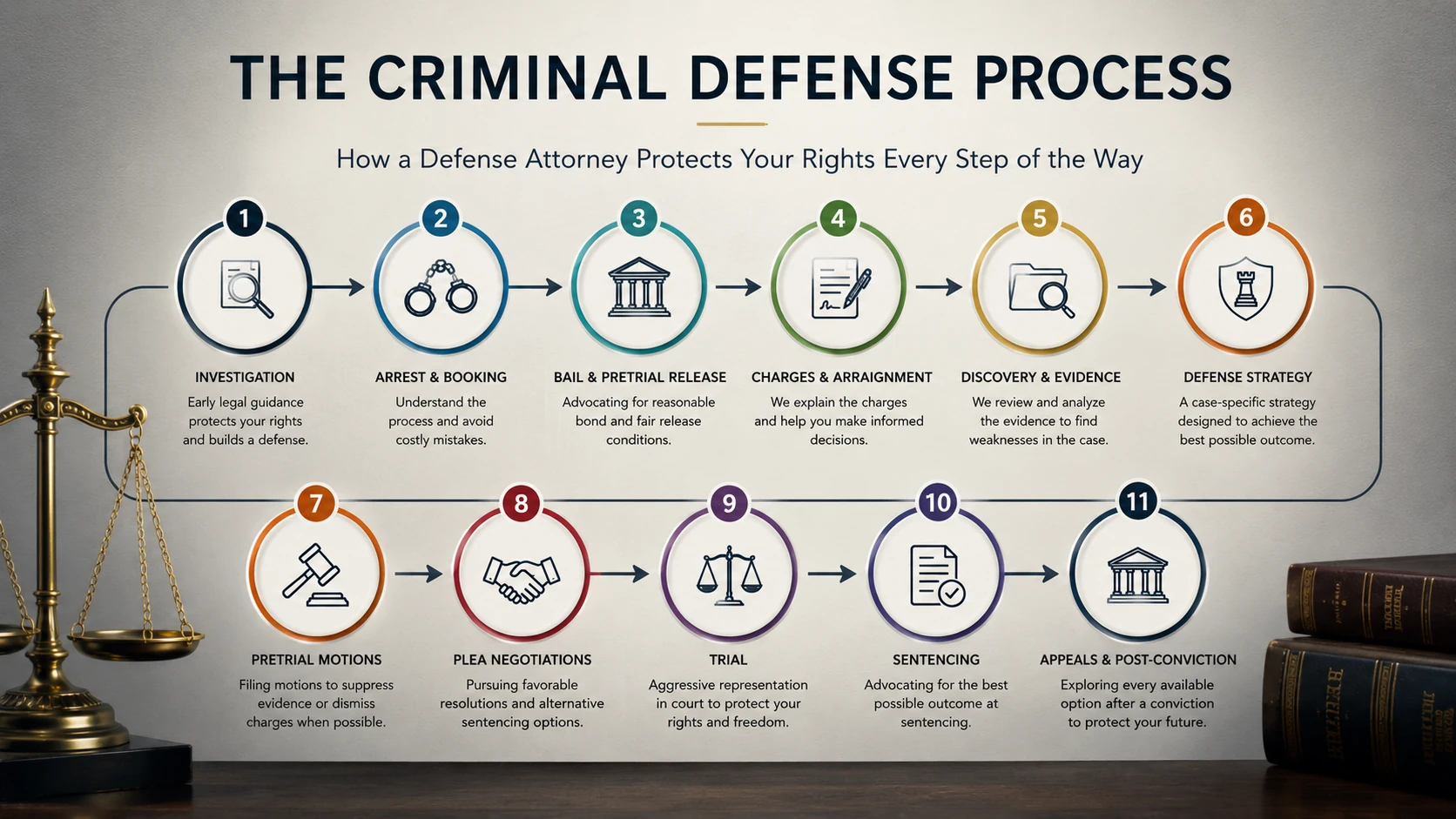
For someone accused of a crime involving self-defense, a defense attorney’s job is not just to repeat that the client was scared. It is to test the timeline, preserve the evidence, examine recordings, identify inconsistencies in the state’s theory and frame the facts inside the actual law.
In a strong case, the defense lawyer may be able to show that the threat was immediate, that the client’s response was legally justified and that the prosecution cannot disprove self-defense beyond a reasonable doubt.
If you watched The Perfect Neighbor, you saw how quickly people decided what the case was. That happens in real life too. Police make early judgments. Prosecutors build a theory. Witnesses tell imperfect stories. Video gets treated like it tells the whole truth, even when it does not.
That is why your lawyer matters. Even when a case looks obvious at first, the outcome can still turn on details, and that can be the difference between murder or no conviction at all.
If you believe you acted in self-defense, that does not speak for itself. It has to be built, supported and explained.
Do not assume the law will sort itself out. These cases move fast, and bad decisions early can do lasting damage.
Contact The O’Donnell Law Firm
The right defense starts with understanding the facts, the law and the parts of the case that will matter most when the claim is finally tested. Call today: (832) 534-2449