What the Netflix Documentary Shows
At first glance, Netflix’s The Truth and Tragedy of Moriah Wilson looks like another true-crime story centered on jealousy and murder inside Austin’s tight-knit cycling scene.
But underneath that, it’s a story about how a criminal case gets built.
Moriah “Mo” Wilson was a 25-year-old elite cyclist who was killed in Austin in May 2022 while she was in town for a race. Kaitlin Armstrong was later convicted of murder and sentenced to 90 years in prison. After the killing, Armstrong fled to Costa Rica, where she remained at large for weeks before U.S. Marshals arrested her. Later, while awaiting trial, she briefly escaped custody after a medical appointment before being recaptured.
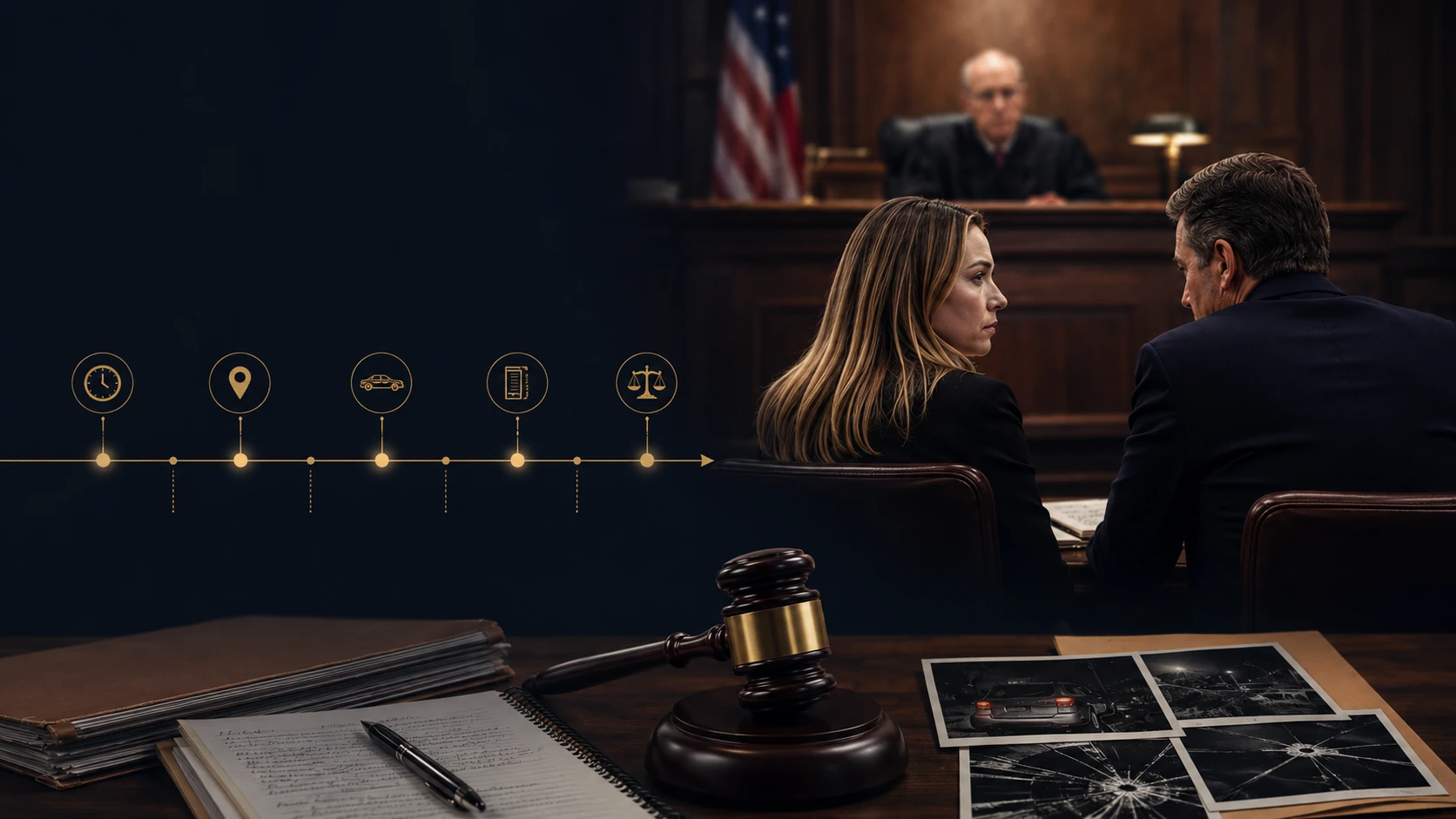
While the story is dramatic, the legal lesson is more practical. Cases like this are often won or lost in the timeline. Who was where. When they arrived. When they left. What the phone showed. What the camera caught. What someone said before the police knew what they were really looking at.
That is the part people miss when they watch a documentary and focus only on the final verdict. A murder case does not become strong because one piece of evidence looks bad. It becomes strong when separate pieces start locking together.
Why Timeline Evidence Matters in a Murder Case
In a serious criminal case, the timeline is not background. It can become the case.
Cameras, phone records, location data, texts, searches and witness accounts all help prosecutors build a map for the jury. Where someone was. What they knew. What they did before and after.
That evidence can feel clean because it looks objective. A timestamp seems neutral. A phone record seems precise. A camera does not look emotional.
But clean does not always mean complete.
Video may show only part of the movement. Phone data may place a device, not a person. A vehicle may appear without proving who was driving. A gap in the timeline may matter as much as the footage the state chooses to show.
That is where defense work starts. A criminal defense attorney has to test the sequence, question the assumptions and find out whether the timeline is as solid as it looks.
Flight From Jurisdiction and Why It Can Hurt a Defense
One of the sharper turns in the Armstrong case came after police started closing in. She left the country and was later found in Costa Rica after a 43-day search. Reports described an altered appearance, aliases and the use of another person’s passport.
In a criminal case, flight creates a problem of its own. Prosecutors may call it “consciousness of guilt,” which is their way of telling the jury: she ran because she knew.
Life is not always that tidy. People panic. They make ugly decisions under pressure. They run from fear, shame, confusion or the sudden realization that the situation has swallowed them whole.
But the state will still use it.
Flight can change bond, negotiations and the way a jury hears the rest of the case. A defense attorney cannot wave it away if the proof is there. The work is to put it in context, separate conduct from confession and make clear when the state is asking the jury to treat fear like evidence.
What About Escape From Custody?
Armstrong’s case also raised another issue: escape from custody.
Before trial, she briefly ran from officers after a medical appointment and was recaptured after a short pursuit. News reports described a later escape-related charge, though reporting also indicates that charge was eventually dropped.
Texas law treats escape seriously. Under Texas Penal Code Section 38.06, escape generally involves getting away from custody when a person is under arrest, lawfully detained, charged or otherwise held under legal authority. The charge can become more serious depending on the circumstances, including whether bodily injury occurs during the escape.
From a defense standpoint, an escape allegation can create two problems.
The first is obvious. It may become a separate criminal charge.
The second is less obvious but just as damaging. It can change the way everyone views the original case. A prosecutor may use it to argue the defendant was desperate. A judge may view the person as a flight risk. A jury may remember the escape even if the trial is supposed to focus on the original accusation.
That is why custody issues, bond conditions and court orders matter. Once a person is inside the system, every move gets interpreted.
How Surveillance and Phone Data Build a Case
Modern criminal cases leave trails in places people forget to look: doorbell cameras, parking lots, phones, GPS records, app activity, license plate readers and search history.
A person may think no one saw them. Their phone, car or surroundings may say otherwise.
In The Truth and Tragedy of Moriah Wilson, investigators used that kind of evidence to place people, vehicles and devices into a timeline. That timeline can help the state, but it can also help the defense.
Video can undercut a witness. Phone data can challenge a route. Metadata can change how a message or movement should be read. The defense should not accept the state’s sequence as finished. It has to be rebuilt independently, with the hard questions asked first:
- Was all available video collected, or only the footage that supported the state’s theory?
- Were nearby cameras checked before footage was overwritten?
- Did law enforcement obtain proper warrants for phone, app or location data?
- Were the records interpreted by someone qualified to explain them?
- Does the data identify a person, or only a device?
- Were gaps in the timeline treated honestly, or smoothed over?
- Did investigators preserve evidence that could help the defense?
Those questions matter because a timeline can look clean on a screen and still be incomplete in ways that change the case.
What a Defense Attorney Actually Does With This Kind of Case
Serious cases are not defended with broad arguments. They are defended by pulling the case apart and seeing what still holds. A defense attorney has to understand three things at once: what the state is alleging, what the evidence actually shows and what story prosecutors are trying to tell with it. Then every part of that story has to be tested.
In a case involving surveillance footage, phone data, flight or an alleged escape, that work may include:
- Reviewing camera footage to find missing angles, timing gaps or footage the state did not emphasize
- Examining phone records, GPS data, text messages and communication history
- Challenging assumptions about who had access to a phone, vehicle or location
- Testing whether warrants, searches and seizures were handled correctly
- Comparing witness statements against the timeline and physical evidence
- Separating suspicious behavior from proof of the charged offense
- Preparing the client for how prosecutors may use conduct after the fact
That last piece matters more than people think.
A criminal case is rarely limited to what happened at the scene. What happened afterward can become part of the prosecution’s argument. Where someone went. Who they called. What they deleted. Whether they cooperated. Whether they ran. The state will try to give those facts a meaning. The defense has to be ready with context, challenges and a more complete picture.
For cases involving allegations of violence, disputed timelines or serious accusations, working with a violent crime defense attorney early can help protect evidence, evaluate the investigation and prepare for how prosecutors may frame the case.
The Legal Lesson From The Truth and Tragedy of Moriah Wilson
The documentary is painful because Moriah Wilson was not a case study. She was a person with a life, a future and people who loved her. That should not get flattened into legal analysis.
But the case also shows how fast an investigation can harden around a theory. Police follow the evidence they think matters. Prosecutors shape that evidence into a story. Then a jury is asked whether that story proves guilt beyond a reasonable doubt.
That is why early defense work matters.
If you are under investigation or worried police are building a case around you, waiting can cost you. Evidence needs to be preserved. Timelines need to be checked. Statements need to be handled carefully. Digital evidence needs someone who understands what it proves, what it suggests and what it does not show at all.
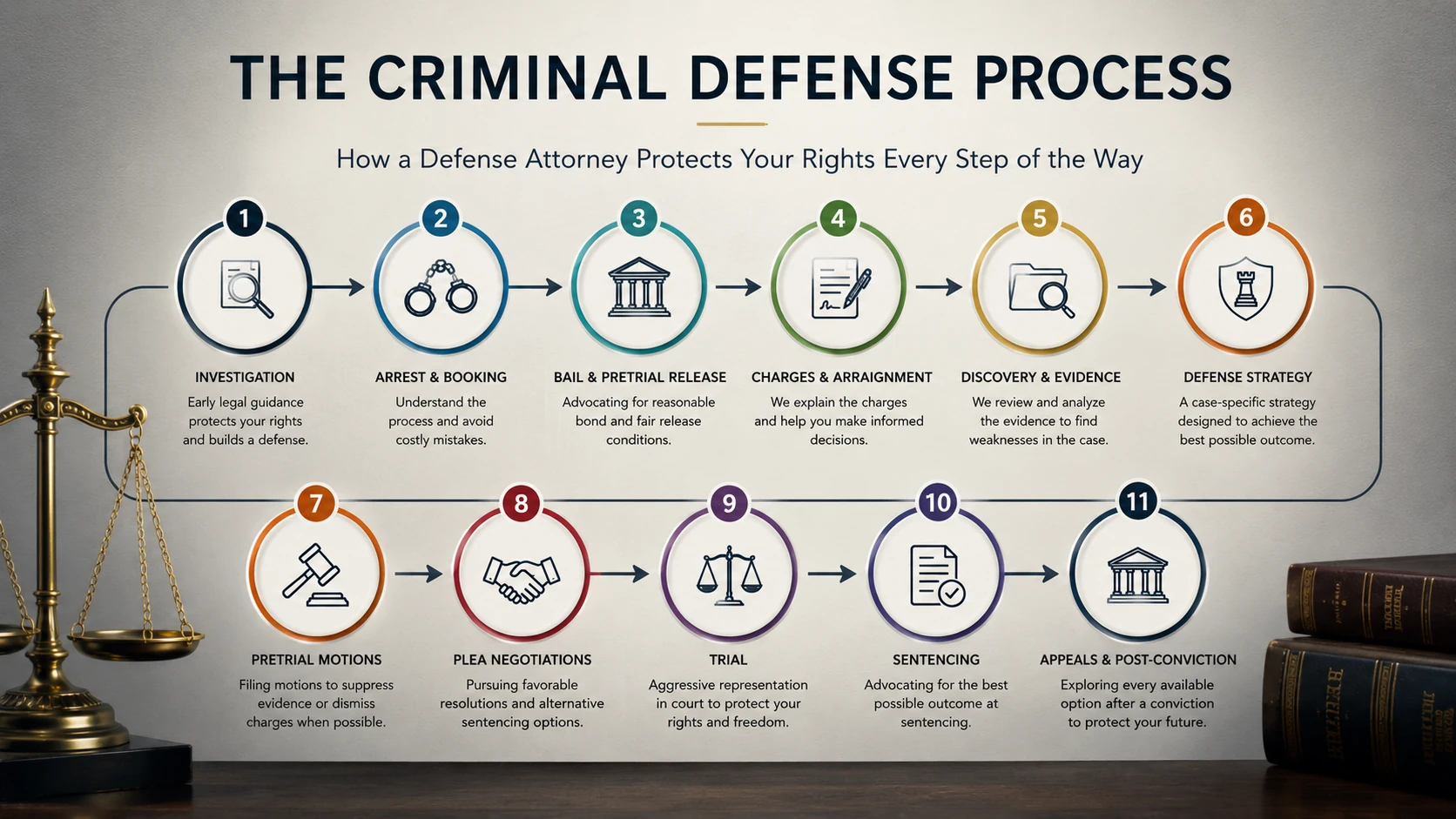
The worst time to start building a defense is after everyone else has already decided what happened. Understanding the criminal defense process early can help you make better decisions before the case moves too far ahead.
Contact The O’Donnell Law Firm
The right defense starts with understanding the evidence, the timeline and the decisions that can change the direction of a case. If you are facing a serious criminal accusation, contact The O’Donnell Law Firm today or call (832) 534-2449.